
A Century Later: Symon Petliura's Complex Legacy Still Divides Ukraine and Jews
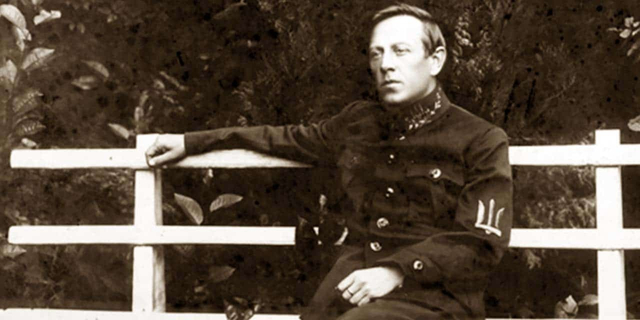
Symon Petliura, who led Ukraine's 1918–1920 independence struggle, was assassinated in Paris in 1926 by Sholem Schwarzbard, who claimed to avenge Jewish victims of pogroms allegedly committed by forces under Petliura's nominal command. The killing and subsequent trial have left his historical reputation contested ever since.
Petliura's role in Ukraine's brief independence period remains contested by historians and communities affected by violence during the civil war era. Schwarzbard's defense focused on atrocities against Jewish civilians, while Petliura's supporters argue he did not directly order or condone pogroms. The trial in France shaped international perception of Petliura for decades, framing him primarily through the lens of violence rather than his political achievements in establishing Ukrainian statehood. Today, a century after his death, Ukrainian and Jewish communities continue to reassess his legacy and the complex historical record of that turbulent period.
Чому це важливо
Petliura's unresolved historical reputation reflects deeper tensions between Ukrainian and Jewish historical narratives, and remains relevant to how Ukraine understands its foundational independence period. His case illustrates the difficulty of reconciling nationalist leaders with documented communal violence during state formation.
Джерело